
Parasite Prevention Through Smart Nutrition
Discover evidence-based nutritional strategies to support your body's natural defences and maintain optimal health through informed dietary choices.
Key Nutritional Features for Health Support
Dietary Fiber Rich Foods
High-fibre foods support digestive health and promote beneficial gut bacteria growth. Incorporating vegetables, legumes, and whole grains creates an environment where your digestive system functions optimally and maintains strong natural defences.
Immune-Boosting Nutrients
Zinc, selenium, and vitamin C play crucial roles in maintaining immune function. These micronutrients support your body's natural resistance mechanisms. Sources include citrus fruits, nuts, seeds, and leafy greens that strengthen your body's protective systems.
Complex for Energy and Endurance
Maintaining steady energy levels supports your body's ability to maintain health. B-vitamins and iron help convert food into energy efficiently. This sustained vitality enables your immune system to function at peak capacity throughout the day.
Hydration and Detoxification Support
Proper hydration supports your body's natural cleansing processes. Water helps flush metabolic waste and maintains optimal organ function. Combined with foods rich in antioxidants, hydration strengthens your body's natural detoxification pathways.
Traditional Herbs and Spices
Garlic, turmeric, ginger, and other culinary herbs have been used for centuries in traditional nutrition practices. These ingredients contain natural compounds that support digestive health and overall body resilience through everyday cooking.
Healthy Fats and Omega Fatty Acids
Omega-3 and omega-6 fatty acids reduce inflammation and support cellular health. Found in fish, nuts, and seeds, these healthy fats strengthen your body's structural defences and support brain and nervous system function.
Understanding Parasites and Nutrition
Parasites are organisms that live in or on a host and derive nutrients at the host's expense. Understanding how nutrition affects your body's ability to support health is fundamental to prevention. A well-nourished body maintains stronger natural defences and optimal digestive function, which are key factors in overall wellbeing.
Nutritional deficiencies can compromise your immune response and digestive efficiency. By ensuring adequate intake of essential vitamins, minerals, and phytonutrients, you support your body's natural mechanisms for maintaining health. Food-based prevention through smart nutritional choices is a proven approach used by health professionals worldwide.
Our evidence-based approach focuses on whole foods, traditional dietary practices, and scientifically-supported nutrients that help your body maintain optimal function and resilience.
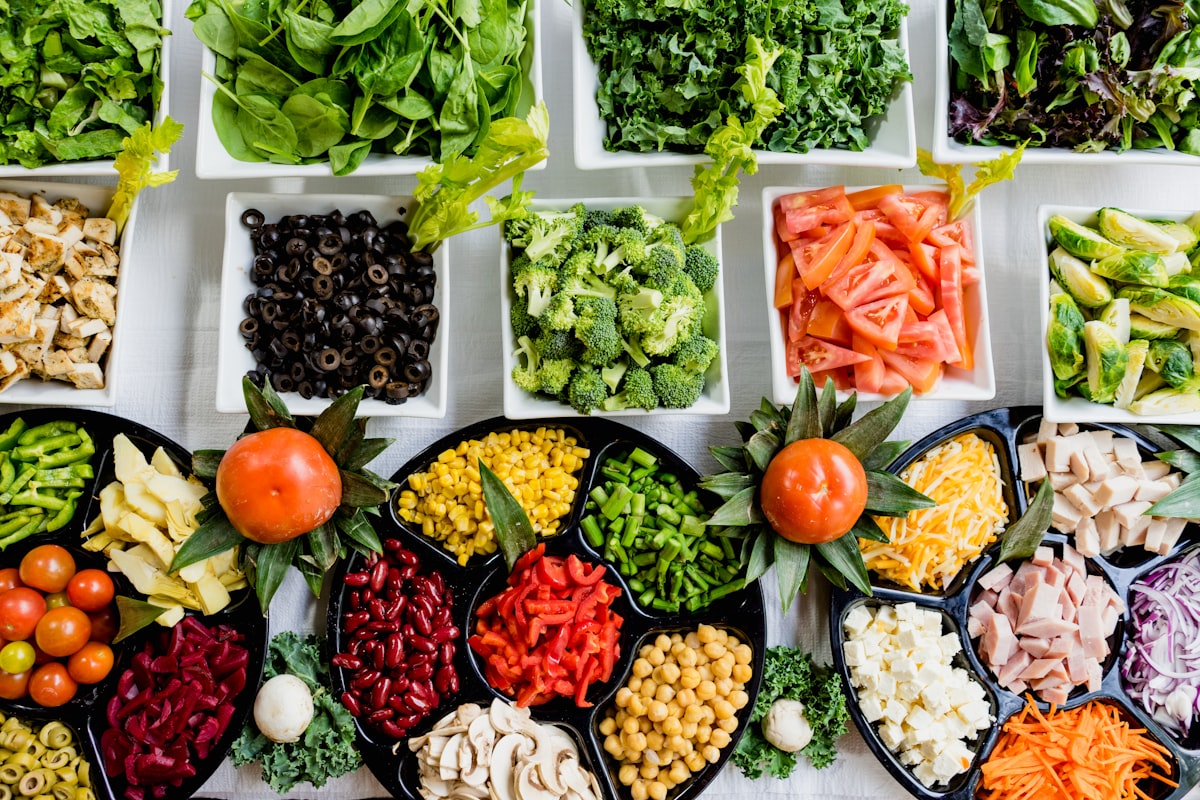
Nutrition for Health Support: A Comparison
| Nutritional Element | Food Sources | Health Benefits | Recommended Daily Intake |
|---|---|---|---|
| Vitamin C | Citrus fruits, berries, bell peppers, broccoli | Immune support, antioxidant protection | 75-90 mg daily |
| Zinc | Oysters, beef, pumpkin seeds, chickpeas | Immune function, wound healing | 8-11 mg daily |
| Selenium | Brazil nuts, fish, eggs, whole grains | Antioxidant defence, thyroid support | 55 mcg daily |
| Iron | Red meat, spinach, lentils, fortified cereals | Energy production, oxygen transport | 8-18 mg daily |
| Dietary Fibre | Vegetables, fruits, whole grains, legumes | Digestive health, gut flora support | 25-38 g daily |
| Omega-3 Fats | Salmon, mackerel, flaxseeds, walnuts | Anti-inflammatory, cellular health | 1.1-1.6 g daily |
A 4-Week Guide to Foundational Nutrition
Week One: Foundation Building
- Eliminate processed foods and refined sugars
- Increase daily water intake to 2-3 litres
- Add garlic and ginger to daily meals
- Focus on organic vegetables and fruits
Week Two: Nutrient Dense Eating
- Include vitamin C rich foods daily
- Add zinc sources: nuts, seeds, legumes
- Consume fatty fish 2-3 times weekly
- Incorporate turmeric into cooking
Week Three: Digestive Optimisation
- Increase fibre intake gradually
- Consume fermented foods: sauerkraut, yogurt
- Eat slowly and chew thoroughly
- Add selenium-rich Brazil nuts to diet
Week Four: Maintenance and Evaluation
- Maintain consistent healthy eating patterns
- Track energy levels and digestive health
- Continue whole food based nutrition
- Plan long-term healthy eating strategy
Common Questions About Parasite Prevention
Foods rich in vitamins C and E, selenium, and zinc are essential for supporting your immune system. These include citrus fruits, berries, garlic, ginger, leafy greens, nuts, seeds, and fatty fish. Additionally, high-fibre foods like whole grains and legumes support healthy digestion, which is crucial for overall health maintenance. Organic produce where possible reduces exposure to pesticides and supports cleaner nutrition.
Proper hydration is fundamental to all bodily functions, including immune response and digestive efficiency. Water helps flush metabolic waste and supports nutrient transport throughout your body. Aim for 2-3 litres daily, adjusting for climate and activity level. Herbal teas like ginger or turmeric tea provide additional benefits while maintaining hydration.
While proper nutrition is a powerful foundation for health, a comprehensive approach includes regular exercise, adequate sleep, stress management, and proper hygiene practices. Nutrition supports your body's natural defences, but should be combined with other healthy lifestyle choices. If you have specific health concerns, consult with a qualified nutritionist or healthcare professional.
Most people notice improved energy levels and better digestion within 2-3 weeks of consistent dietary changes. However, your body's internal systems may take 4-8 weeks to fully adapt. Patience and consistency are key. Keep a food journal to track how different foods affect your energy, digestion, and overall wellbeing. Results vary individually based on starting point and adherence.
A well-balanced whole-food diet provides most necessary nutrients. However, some people benefit from supplementation depending on dietary restrictions, soil nutrient depletion, or individual absorption factors. Vitamin D and B12 may be difficult to obtain from food alone in certain climates or diets. Consult a qualified nutritionist to determine if your specific situation requires supplementation. Always prioritise whole foods first.
Essential healthy eating habits include: eating whole foods over processed, planning meals ahead, shopping the perimeter of shops for fresh produce, cooking at home more often, eating mindfully without distractions, chewing thoroughly, limiting sugar and refined carbohydrates, and maintaining consistent meal times. Start with one habit and gradually add others. Small sustainable changes are more effective than radical overhauls.
Rules for Cleaning Products and Food Safety
Produce Washing Guidelines
Use running water
Wash all fruits and vegetables under clean running water before consumption, even if you plan to peel them.
Gentle brushing
Use a soft brush for firmer produce like potatoes and carrots to remove dirt and surface contaminants effectively.
Vinegar soak option
For extra cleanliness, soak produce in a solution of one part vinegar to three parts water for 15-20 minutes, then rinse thoroughly.
Remove outer leaves
For lettuce and cabbage, remove outer leaves which may contain more soil and surface contaminants.